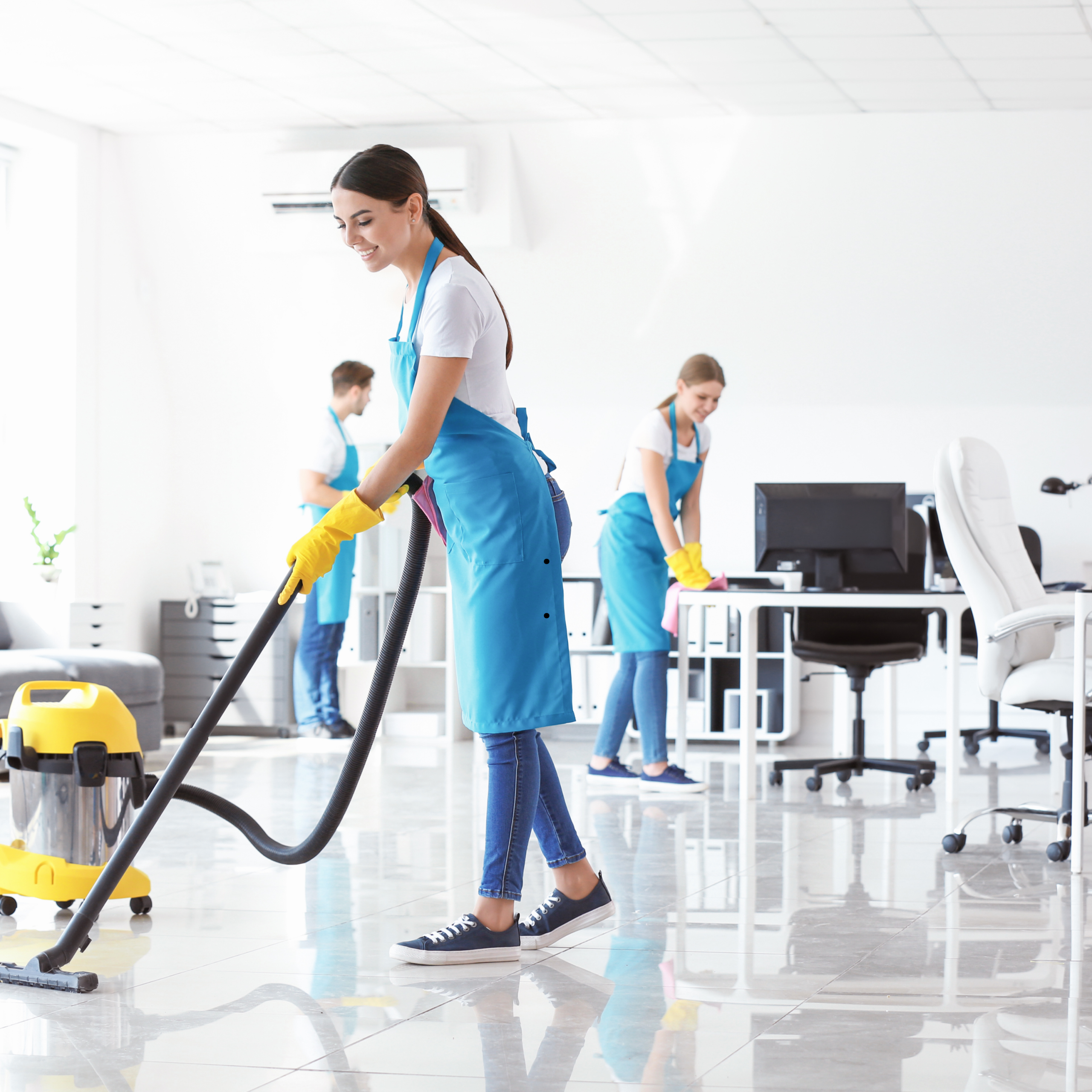
# The Importance of Office Sanitising and Disinfection in Melbourne
In the bustling business hub of Melbourne, the significance of maintaining a clean and sanitary office environment cannot be overstated. As workplaces begin to adapt to a new normal, the emphasis on sanitisation and disinfection has reached unprecedented heights. With pathogens lurking on surfaces and the growing concern for employee health, understanding the importance of office sanitising and disinfection is essential for any organisation aiming to foster a safe and productive work atmosphere.
## Understanding the Risks of Office Germs
Offices are high-traffic areas where employees share spaces, tools, and equipment. Research has shown that common surfaces in the workplace, such as desks, keyboards, doorknobs, and telephones, can harbor a multitude of germs. According to studies, an office desk can be up to 400 times dirtier than a toilet seat. This alarming statistic highlights the potential risks of germs spreading among employees, leading to increased illness and absenteeism.
Moreover, the COVID-19 pandemic has amplified awareness regarding infectious diseases, further underscoring the need for rigorous cleaning protocols. Viruses such as influenza, norovirus, and, more recently, SARS-CoV-2 can survive on surfaces for varying lengths of time, making regular sanitisation and disinfection crucial in curbing the spread of illnesses in the workplace.
## Benefits of a Clean Office Environment
### 1. Enhanced Employee Health and Well-Being
A clean office environment directly correlates with improved employee health. Regular sanitisation helps reduce the presence of harmful pathogens, thus decreasing the likelihood of infections. Healthy employees are more productive, engaged, and satisfied with their work environment. Prioritising sanitisation not only protects individual health but also contributes to the overall well-being of the team.
### 2. Increased Productivity and Morale
When employees feel safe and secure in their work environment, their productivity levels tend to rise. A clean and well-maintained office can lead to higher morale, as employees are less likely to worry about their health. Furthermore, a visually appealing and hygienic workspace fosters a positive atmosphere that can enhance collaboration and creativity.
### 3. Compliance with Health Regulations
In Melbourne, businesses are required to adhere to strict health and safety regulations. Regular sanitisation and disinfection not only ensure compliance with these regulations but also demonstrate a company’s commitment to employee safety. This commitment can bolster an organisation’s reputation and instill trust among employees and clients alike.
### 4. Cost Savings in the Long Run
Investing in regular sanitisation and disinfection may seem like an additional expense, but it can lead to significant cost savings over time. Reducing the spread of illnesses translates to fewer sick days and lower healthcare costs. Moreover, maintaining a clean workplace can prolong the lifespan of equipment and furniture, reducing the need for frequent replacements.
## Best Practices for Office Sanitisation and Disinfection
To effectively sanitise and disinfect an office, organisations should adopt a systematic approach:
### 1. Regular Cleaning Schedule
Establishing a regular cleaning schedule ensures that high-touch surfaces are consistently sanitised. This could range from daily to weekly cleaning, depending on the size and traffic of the office.
### 2. Use of EPA-Approved Disinfectants
Utilising disinfectants that are EPA-approved ensures that the products used are effective against a broad spectrum of pathogens. It is important to follow the manufacturer’s guidelines for application and contact time to maximise efficacy.
### 3. Training Staff on Hygiene Practices
Educating employees about personal hygiene practices, such as frequent handwashing and the use of hand sanitiser, is crucial. Encouraging staff to take responsibility for their own spaces can create a culture of cleanliness within the office.
### 4. Focus on High-Touch Areas
Pay special attention to high-touch areas, such as doorknobs, light switches, shared equipment, and communal spaces like kitchens and restrooms. These areas are breeding grounds for germs and should be included in the sanitisation routine.
## Frequently Asked Questions (FAQs)
### **1. How often should office sanitisation occur?**
The frequency of office sanitisation depends on the level of foot traffic and the nature of the business. Generally, high-touch areas should be sanitised daily, while a full office cleaning can be scheduled weekly or bi-weekly.
### **2. What are the differences between cleaning, sanitising, and disinfecting?**
Cleaning involves removing dirt and impurities from surfaces. Sanitising reduces the number of germs to a safe level, while disinfecting kills a higher percentage of germs on surfaces. For effective infection control, both sanitising and disinfecting should be part of the cleaning process.
### **3. Can employees perform their own sanitisation?**
While employees can maintain personal hygiene and sanitise their own workspaces, it is essential that professional cleaning services handle comprehensive office sanitisation and disinfection to ensure effectiveness and compliance with health regulations.
### **4. What should I look for when hiring a cleaning service?**
When hiring a cleaning service, consider their experience, certifications, and the cleaning products they use. It’s also important to check reviews and ask for references to ensure you choose a reputable service.
### **5. How can we encourage employees to follow sanitisation protocols?**
Encouraging a culture of cleanliness can be achieved by providing resources, such as hand sanitiser stations, regular training sessions, and clear communication regarding the importance of sanitisation in maintaining a healthy workplace.
## Conclusion
In conclusion, the importance of office sanitising and disinfection in Melbourne is paramount in today’s health-conscious workplace environment. By prioritising cleanliness, organisations can protect their employees, enhance productivity, and ensure compliance with health regulations. As we move forward, understanding the best practices for office cleaning will become increasingly vital.
Moving from the importance of sanitisation, the next logical discussion is to explore the **Best Practices for Office Disinfection: A Comprehensive Guide**, where we will delve into effective strategies and techniques to ensure the highest standards of cleanliness in your workplace.
# Best Practices for Office Disinfection: A Comprehensive Guide
In today’s world, where health and safety are paramount, maintaining a clean and sanitised office environment is more critical than ever. The workplace is not just a hub for productivity but also a breeding ground for germs and pathogens that can adversely affect employee health and morale. This guide delves into the best practices for office disinfection, ensuring that your workplace remains safe and conducive to productivity.
## Understanding the Importance of Office Disinfection
The significance of office disinfection cannot be overstated. According to the Centers for Disease Control and Prevention (CDC), viruses and bacteria can survive on surfaces for hours to days, depending on the material. High-touch surfaces, such as doorknobs, keyboards, and light switches, are particularly susceptible to harbouring harmful microorganisms.
A systematic approach to disinfection not only reduces the risk of illnesses but also fosters a sense of well-being among employees. When staff feel safe in their work environment, it enhances overall productivity and reduces absenteeism.
## Key Areas to Focus on During Disinfection
To effectively disinfect an office space, certain areas require special attention. Below are the primary zones that should be included in any thorough cleaning protocol:
### 1. High-Touch Surfaces
High-touch surfaces are the most likely to harbor germs and should be disinfected daily. These include:
– Doorknobs and handles
– Light switches
– Elevator buttons
– Shared equipment (printers, copiers)
– Desks and workstations
### 2. Restrooms
Restrooms are often hotspots for bacteria and viruses. Regular cleaning and disinfection of:
– Sinks
– Toilets
– Door handles
– Paper towel dispensers
is essential to maintain hygiene.
### 3. Break Rooms and Kitchens
Food preparation areas require diligent cleaning due to the risk of foodborne illnesses. Key practices include:
– Wiping down countertops
– Disinfecting sinks and taps
– Cleaning microwave handles and buttons
– Regularly sanitising coffee machines
### 4. Floors and Carpets
While not always the first area that comes to mind for disinfection, floors and carpets can also trap dust and germs. Regular vacuuming and mopping, especially in high-traffic areas, can help reduce health risks.
### 5. Air Quality
While not a surface, air quality is crucial for maintaining a healthy office. Regular maintenance of HVAC systems and using air purifiers can help eliminate airborne pathogens.
## Recommended Cleaning Products and Techniques
When it comes to office disinfection, not all cleaning products are created equal. Selecting the right products and techniques is vital for effective sanitation.
### 1. EPA-Registered Disinfectants
Use disinfectants that are registered with the Environmental Protection Agency (EPA) and specifically designed to kill viruses and bacteria. Check the label for efficacy against pathogens like the flu virus and SARS-CoV-2.
### 2. Proper Application
Follow the manufacturer’s instructions for use, including dilution ratios, contact time, and application methods. Many disinfectants require a certain amount of time to remain wet on the surface to be effective.
### 3. Use of Personal Protective Equipment (PPE)
Cleaning staff should be equipped with appropriate PPE, including gloves, masks, and eye protection, to ensure their safety while handling chemicals.
### 4. Microfiber Cloths and Mops
Utilising microfiber cloths and mops can enhance cleaning efficiency. Microfiber traps dirt and germs more effectively than traditional cleaning materials, reducing the spread of contaminants.
### 5. Regular Training
Regular training for cleaning staff on the latest cleaning techniques, products, and safety measures is essential for maintaining high standards of office hygiene.
## Frequently Asked Questions (FAQs)
### Q1: How often should offices be disinfected?
**A:** Offices should be disinfected daily, especially high-touch surfaces. During outbreaks of illness or pandemics, consider increasing the frequency to multiple times a day.
### Q2: Are green cleaning products effective for disinfection?
**A:** Many green cleaning products can be effective, but it’s crucial to ensure they meet EPA standards for disinfectants. Always check the labels for efficacy against specific pathogens.
### Q3: What is the difference between cleaning and disinfecting?
**A:** Cleaning refers to the removal of dirt and impurities, while disinfecting involves using chemicals to kill germs on surfaces. Both processes are essential for a complete sanitation protocol.
### Q4: Can I use household cleaning products for office disinfection?
**A:** While some household cleaning products can be effective, it’s advisable to use commercial-grade disinfectants that are specifically designed for high-traffic environments and are proven to eliminate pathogens.
### Q5: What should I do if someone in the office tests positive for a contagious illness?
**A:** If someone tests positive, it’s crucial to follow health guidelines, which may include a thorough cleaning and disinfection of the affected areas, notifying employees, and possibly closing the office temporarily.
## Conclusion
Implementing best practices for office disinfection not only enhances employee safety but also contributes to a more productive workplace. By focusing on high-touch surfaces, using effective cleaning products, and ensuring staff are trained in proper techniques, businesses can foster a healthier work environment.
As we continue to navigate the evolving landscape of workplace hygiene, it’s essential to consider how to choose the right office cleaning service. In the next section, we will explore the key factors to consider when selecting a cleaning service that meets your office’s specific needs, ensuring the highest standards of cleanliness and sanitation.
# How to Choose the Right Office Cleaning Service in Melbourne
In the bustling business landscape of Melbourne, the cleanliness of your office is not just a matter of aesthetics; it is a critical component of employee health and productivity. A clean office environment minimizes the spread of germs and enhances the overall workplace experience. However, with numerous cleaning services available, selecting the right one can be overwhelming. This article aims to guide you through the process of choosing the best office cleaning service in Melbourne, ensuring that your workplace remains a safe and healthy environment for all employees.
## What to Look for in a Cleaning Service
When evaluating potential office cleaning services, consider the following key factors:
### 1. **Experience and Expertise**
The first criterion to assess is the experience and expertise of the cleaning service. Companies with a solid track record in office cleaning will have established protocols and trained staff to handle various cleaning challenges effectively.
### 2. **Services Offered**
Different cleaning services provide varying levels of service. Some may offer basic cleaning, while others provide comprehensive sanitisation and disinfection tailored to specific needs, especially in light of recent health concerns. Ensure that the service you choose aligns with your requirements.
### 3. **Reputation and Reviews**
Investigate the reputation of potential cleaning companies. Online reviews, testimonials, and case studies can provide insights into the quality of service. It is also beneficial to seek recommendations from other businesses in your network.
### 4. **Compliance with Health Regulations**
In Melbourne, the cleaning service should comply with local health regulations and standards, particularly those related to sanitisation and disinfection. This aspect has become increasingly crucial in ensuring a safe workplace following the COVID-19 pandemic.
### 5. **Customisation of Services**
Each office has unique cleaning needs. A good cleaning service will offer tailored solutions based on your specific requirements, including frequency of cleaning, types of products used, and focus areas.
### 6. **Sustainability Practices**
As environmental awareness grows, many businesses prefer cleaning services that use eco-friendly products and sustainable practices. Inquire whether the company prioritises environmentally friendly cleaning methods.
### 7. **Insurance and Bonding**
Ensure that the cleaning service is fully insured and bonded. This protects your business from potential liabilities in case of accidents or damages that may occur during the cleaning process.
## Questions to Ask Before Hiring
Before making a decision, it’s essential to ask potential cleaning services the following questions:
### 1. **What cleaning products do you use?**
Understanding the products used in the cleaning process is vital, especially if your office has employees with allergies or sensitivities.
### 2. **Are your staff trained and vetted?**
Inquire about the training processes for their staff and whether background checks are conducted. Trustworthy employees are crucial for maintaining security in your workplace.
### 3. **Can you provide references?**
A reputable cleaning service should be able to provide references from other clients. This will help you gauge their reliability and quality of work.
### 4. **What is included in your cleaning packages?**
Clarify what is included in their standard cleaning packages and whether additional services can be provided upon request.
### 5. **What are your payment terms?**
Understanding the payment structure, whether it is a flat fee or hourly rate, and any additional charges for specific services is essential for budgeting.
## Frequently Asked Questions (FAQs)
### **Q: How often should I have my office cleaned?**
A: The frequency of office cleaning depends on various factors, including the size of your office, the number of employees, and the type of work performed. Generally, a thorough cleaning should be conducted at least once a week, with daily maintenance for high-traffic areas.
### **Q: Can I schedule cleaning outside of business hours?**
A: Yes, many cleaning services offer flexible scheduling, including after-hours or weekend cleaning, to ensure minimal disruption to your business operations.
### **Q: What should I do to prepare for the cleaning service?**
A: It is helpful to clear personal items from desks and communal areas, but the cleaning service should provide specific instructions based on their protocols.
### **Q: How do you ensure quality control?**
A: Reputable cleaning services usually have quality control measures in place, such as regular inspections and customer feedback mechanisms to ensure consistent service standards.
### **Q: What if I am not satisfied with the cleaning service?**
A: Most professional cleaning companies have a satisfaction guarantee. It’s important to discuss this with them during the hiring process so you know how they handle complaints or issues.
## Conclusion
Choosing the right office cleaning service in Melbourne is an essential step in maintaining a clean and healthy workplace. By focusing on experience, reputation, and the ability to customise services, you can find a partner that meets your specific needs. As the demands for cleanliness evolve, it is critical to stay informed and proactive in maintaining office hygiene.
As we transition into a post-pandemic world, the cleaning industry is adapting to new standards and expectations. This evolving landscape necessitates a fresh approach to office cleaning and hygiene, which we will explore in the next article. Understanding these changes will empower you to implement long-term strategies that ensure a safe and healthy environment for your employees.
# Post-Pandemic: A New Approach to Office Cleaning and Hygiene
The COVID-19 pandemic has fundamentally reshaped our understanding of cleanliness and hygiene in the workplace. As businesses navigate the complexities of a post-pandemic world, the necessity of maintaining a clean and safe office environment has never been more critical. The evolution of cleaning standards, alongside an increasing awareness of the role that a sanitized workspace plays in employee health and productivity, demands a new approach to office cleaning and hygiene.
In this article, we will explore the new strategies and best practices for office cleaning in the post-pandemic era, addressing key considerations for businesses in Melbourne and beyond.
## Evolving Standards of Cleanliness
### Understanding New Expectations
The pandemic has elevated the expectations of employees, clients, and stakeholders regarding workplace cleanliness. No longer is basic cleaning sufficient; organizations must adopt a rigorous sanitisation regimen that prioritizes health and safety. This shift is driven by several factors:
1. **Increased Awareness of Germ Transmission**: The pandemic highlighted how easily viruses can spread in communal spaces, leading to heightened vigilance among employees regarding their surroundings.
2. **Health Regulations and Guidelines**: Regulatory bodies have established stringent guidelines for maintaining workplace hygiene, which businesses must adhere to in order to remain compliant and protect their workforce.
3. **Employee Well-Being**: With mental health taking center stage, employees are more inclined to work in environments where they feel safe from health risks. A clean office can significantly boost morale and job satisfaction.
### Key Components of a Post-Pandemic Cleaning Strategy
To meet these evolving standards, businesses must implement comprehensive cleaning strategies, which include:
– **Regular Deep Cleaning**: Establish a schedule for deep cleaning that includes disinfecting high-touch surfaces such as doorknobs, light switches, and shared equipment.
– **Use of EPA-Approved Disinfectants**: Ensure that all cleaning products used are effective against viruses and are approved by relevant authorities, such as the Environmental Protection Agency (EPA).
– **Air Quality Management**: Invest in air purification systems or ensure proper ventilation to reduce airborne pathogens, contributing to a healthier work environment.
– **Training and Education**: Provide training for cleaning staff on best practices for disinfection and hygiene, as well as educating employees on their roles in maintaining cleanliness.
## Implementing Long-Term Hygiene Strategies
### Creating a Culture of Cleanliness
Transitioning to a post-pandemic cleaning protocol goes beyond just implementing cleaning schedules; it requires cultivating a culture of cleanliness within the organization. This can be achieved through:
– **Employee Engagement**: Encourage employees to take part in maintaining cleanliness by providing them with the necessary tools and resources, such as hand sanitizers and cleaning wipes.
– **Communication**: Clearly communicate the cleaning protocols and the importance of hygiene to all staff members. Transparency fosters trust and cooperation.
– **Feedback Mechanisms**: Establish channels for employees to provide feedback on cleaning practices and suggest improvements. This engagement can enhance compliance and morale.
### The Role of Professional Cleaning Services
While in-house cleaning can address many issues, the complexity and scale of maintaining a pristine office environment often necessitate the expertise of professional cleaning services. These services can offer:
– **Specialized Knowledge**: Trained professionals are equipped with the knowledge of the latest cleaning techniques and products that effectively combat viruses and bacteria.
– **Consistency**: Regularly scheduled professional cleaning ensures that high standards are maintained consistently across the organization.
– **Focus on Core Operations**: By outsourcing cleaning responsibilities, businesses can allow their employees to focus on their core tasks, thus enhancing overall productivity.
## Frequently Asked Questions (FAQs)
### What are the key differences between pre-pandemic and post-pandemic cleaning protocols?
Pre-pandemic cleaning often focused on general cleanliness and aesthetic appeal. Post-pandemic protocols emphasize rigorous disinfection, particularly of high-touch surfaces, and greater frequency of cleaning to mitigate health risks.
### How often should offices be deep cleaned in the post-pandemic era?
The frequency of deep cleaning can vary based on the size of the office and the number of employees. However, many organizations have adopted a bi-weekly or monthly deep cleaning schedule, supplemented by daily light cleaning and disinfection.
### What types of disinfectants are recommended for office use?
Disinfectants that are effective against viruses include those that contain at least 70% alcohol or are approved by the EPA for use against SARS-CoV-2, the virus that causes COVID-19. Always check product labels for efficacy and safety.
### How can companies ensure employee compliance with hygiene practices?
To ensure compliance, companies can implement training sessions, provide clear guidelines, and create a supportive environment that encourages employees to take personal responsibility for hygiene practices.
## Conclusion
As businesses adapt to the new normal, the importance of a proactive approach to office cleaning and hygiene cannot be overstated. By implementing rigorous cleaning protocols and fostering a culture of cleanliness, organizations can create safer workspaces that enhance employee well-being and productivity.
In addition, understanding the economic benefits of regular office sanitisation is crucial. As companies invest in maintaining a healthy work environment, they not only protect their employees but also promote efficiency and reduce costs associated with absenteeism and health-related issues. Transitioning to a mindset that prioritizes hygiene will undoubtedly lead to a more resilient and productive workforce.
# The Economic Benefits of Regular Office Sanitisation
In an era where workplace cleanliness has become synonymous with employee health and productivity, the economic implications of regular office sanitisation cannot be overstated. As research increasingly highlights the relationship between a clean environment and employee well-being, companies in Melbourne and beyond are re-evaluating their sanitisation practices. This article explores the multifaceted economic benefits of regular office sanitisation and why it should be a priority for businesses.
## The Link Between Cleanliness and Productivity
A clean office environment directly influences employee morale and productivity. Research has shown that employees are more productive when they work in a tidy and hygienic space. According to a study published in the *Journal of Occupational and Environmental Medicine*, workplaces that maintain high standards of cleanliness experience lower absenteeism rates, increased job satisfaction, and higher overall productivity levels.
### Reducing Sick Days
One of the most immediate economic benefits of regular office sanitisation is the reduction in sick days taken by employees. The Centers for Disease Control and Prevention (CDC) estimates that the flu alone accounts for approximately 17 million lost workdays in the United States annually. While specific data for Melbourne may vary, the principle remains the same: sanitation practices that reduce the spread of illness can lead to a significant decrease in absenteeism.
#### Cost Implications of Absenteeism
The cost of absenteeism is significant. A report from the Australian Institute of Health and Welfare revealed that the economic burden of workplace absenteeism due to preventable illnesses can run into billions of dollars. By investing in regular office sanitisation, companies can mitigate these costs, ultimately leading to a healthier bottom line.
## Enhancing Employee Well-Being
Workplace hygiene is not just about preventing illness; it’s also about fostering a sense of well-being among employees. When employees feel safe in their environment, they are more likely to be engaged and productive. A clean office can enhance overall employee satisfaction, leading to higher retention rates and lower turnover costs.
### The Impact of Employee Turnover
Employee turnover is an expensive process, with costs associated with recruitment, training, and lost productivity. According to a study from the Society for Human Resource Management (SHRM), the cost to replace an employee can range from six to nine months of that employee’s salary. By investing in a clean workspace and prioritising employee health, businesses can create a more stable workforce, which is economically advantageous.
## Creating a Positive Company Image
In today’s competitive business landscape, a company’s reputation can significantly impact its success. Regular office sanitisation not only protects employees but also enhances the company’s image in the eyes of clients and stakeholders. A well-maintained office reflects professionalism and attention to detail, which can be pivotal in attracting new clients and retaining existing ones.
### Customer Perception and Business Growth
Research indicates that customers are increasingly concerned about hygiene, particularly in the wake of the COVID-19 pandemic. Businesses that prioritise cleanliness and transparency regarding their sanitisation practices are likely to attract more clients. For instance, companies that showcase their commitment to hygiene in marketing materials and client communications can differentiate themselves from competitors, potentially leading to increased sales and growth.
## FAQs About Office Sanitisation and Its Economic Benefits
### What are the main components of an effective office sanitisation plan?
An effective office sanitisation plan should include regular cleaning of high-touch surfaces, such as doorknobs, light switches, desks, and communal areas. It should also encompass deep cleaning protocols, use of hospital-grade disinfectants, and adherence to guidelines from health authorities.
### How often should offices be sanitised?
The frequency of sanitisation depends on the nature of the office and the number of employees. Generally, high-traffic areas should be sanitised daily, while deep cleaning can be scheduled weekly or bi-weekly.
### Are there specific cleaning products that are more effective for sanitisation?
Yes, products that meet the standards set by health authorities, such as those containing at least 70% alcohol or EPA-approved disinfectants, are recommended for effective sanitisation.
### How can companies measure the ROI of their sanitisation efforts?
Companies can measure the ROI of sanitisation efforts by tracking absenteeism rates, employee satisfaction scores, and productivity metrics before and after implementing regular cleaning protocols.
### What are the long-term economic benefits of investing in office sanitisation?
Long-term benefits include reduced healthcare costs, improved employee retention, increased productivity, and a stronger company reputation, all of which contribute to a healthier bottom line.
## Conclusion
The economic benefits of regular office sanitisation are clear. By reducing sick days, enhancing employee well-being, and creating a positive company image, businesses can not only protect their workforce but also improve their overall financial health. As we’ve explored, investing in a clean office environment pays dividends that extend far beyond immediate health benefits.
### Summary of Key Topics
1. **The Importance of Office Sanitising and Disinfection in Melbourne**: Understanding the risks and benefits of a clean office environment.
2. **Best Practices for Office Disinfection**: A comprehensive guide on effective cleaning techniques and products.
3. **How to Choose the Right Office Cleaning Service**: Essential tips for selecting a reliable cleaning partner.
4. **Post-Pandemic: A New Approach to Office Cleaning**: Evolving cleanliness standards and long-term hygiene strategies.
5. **The Economic Benefits of Regular Office Sanitisation**: How cleanliness boosts productivity, reduces absenteeism, and enhances company reputation.
In conclusion, prioritising office sanitisation is not merely a health measure; it is a strategic investment in the sustainability and growth of any business.